Rental Owners
What changed for South Bay landlords under California’s 2026 rental rules?
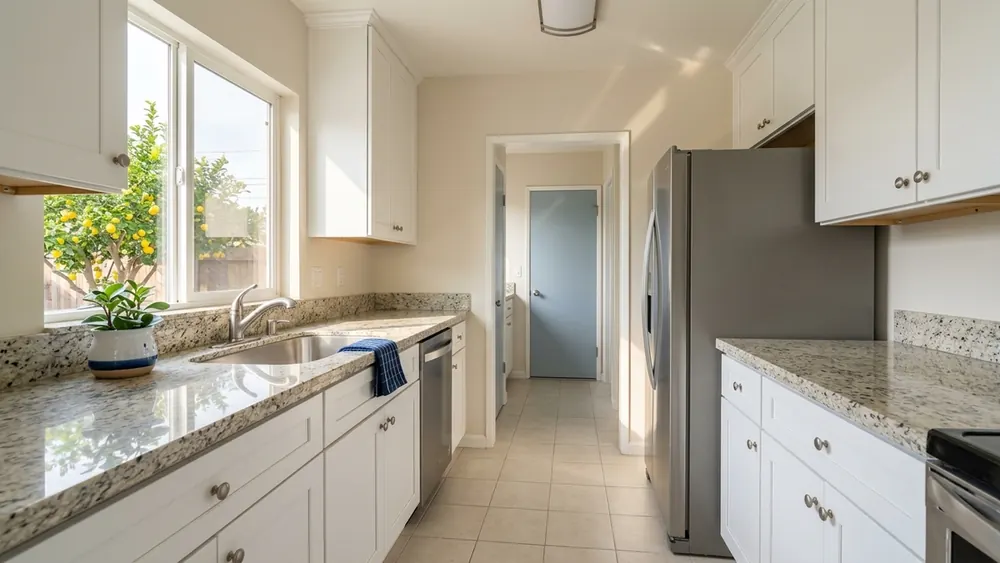
A California rental habitability requirement took effect at the start of 2026 and changed what landlords must provide in a rental. Read the official wording and effective date, check your home against it, and confirm details with official sources or an attorney.
On this page
The direct answer for South Bay landlords
The main change for South Bay landlords is a California rental habitability requirement that took effect at the start of 2026. It changed what landlords must provide in a rental home. The most important step is also the simplest: read the official wording and the effective date yourself, from official state sources, before you change anything or assume you are already covered. A plain-language summary can point you in the right direction, but it cannot replace the actual text.
This matters because habitability goes to the core of what a rental must offer. If a requirement changes what a home must provide, it can affect your property whether you own a single rental in Torrance or a home you leased out when you moved away from Redondo Beach. Landlords who wait until a tenant asks, or until a repair turns into a dispute, often find themselves sorting out the rules under pressure instead of on their own schedule.
This article is awareness, not legal advice. It will not tell you what the requirement says, because the official wording is the only reliable source and rules can be clarified or updated after they take effect. Instead, it walks through how to approach the change: where to read it, what to check in your own rental, which questions to ask, and who gives the final answer on each one. Think of it as a checklist for getting to the right source.
Why the official wording matters most
When a new rental rule takes effect, summaries appear quickly. Some are careful, some are incomplete and some describe a different rule entirely. Even a good summary leaves out details that may matter for your property, such as exactly which homes are covered and from what date. That is why the first step for any South Bay landlord is to find the official wording from official state sources and read it in full, slowly, with your own rental in mind.
Pay attention to the effective date and to any language about which rentals the requirement applies to. Note anything you do not understand, rather than guessing at its meaning. Those notes become your questions for an attorney or for the official source. Writing them down also keeps you from relying on memory later, when a tenant asks about the change or when you are deciding whether a repair or an upgrade is needed.
Local rules can sit alongside state rules. Your city may have its own requirements for rentals, so check the official sources for the city where your property sits, whether that is Redondo Beach, Torrance, Hermosa Beach or Manhattan Beach. Los Angeles County may also have rules that apply in some situations. Confirm which layers apply to your home, and do not assume that one city’s approach matches another’s or that a state rule is the only one that counts.
Checking your rental against the requirement
Once you have read the official wording, walk through your rental with that wording in hand. Look at the home as a tenant would experience it, room by room. The aim is not to diagnose legal compliance yourself but to notice what might need attention, so you can ask the right questions. If you have not been inside the home for a while, it may be time to arrange a visit with proper notice to your tenant.
Write down what you see and take dated photos where that makes sense. A written condition record helps at move-in and move-out anyway, and it gives you a clear starting point for any conversation with an attorney, a licensed home inspector or a contractor. If you find something that may need work, get it looked at by the right professional rather than guessing at the fix or the cost. Keep copies of every estimate and report.
If you use a property manager, ask how they are tracking the change and what they have checked in your home. Ask to see what they found in writing. A manager can handle much of the day-to-day work, but you remain the owner, and it helps to understand what the requirement means for your property directly. Clear records from both of you make it easier to show what was done and when, if a question ever comes up.
Questions to bring to official sources
When you sit down with the official wording, or with an attorney, a short list of questions keeps the conversation focused. You do not need to know the answers in advance. The point is to make sure you leave with clear, written answers that apply to your property specifically, rather than general impressions. These are the questions worth bringing for any rental affected by the change.
- Whether the requirement applies to your type of rental and your lease
- What the official wording says about the effective date for existing tenancies
- Whether any city or county rule adds to the state requirement for your home
- What records you should keep to show the home meets the requirement
Write down each answer, who gave it and the date you received it. Rental laws change, and an answer that was correct when you asked may need checking again later. If two sources seem to disagree, take that disagreement to an attorney rather than choosing the answer you prefer. A dated record of your questions and answers is one of the most useful things a landlord can keep, especially during a period of change.
Who answers each rental rule question
Different parts of the change belong with different sources. Sorting them ahead of time saves you from treating a blog post, a neighbor’s opinion or a social media thread as an official answer. It also helps you see which questions you can handle yourself and which ones need a professional. Here is a simple way to keep track of who answers what for your rental.
| Question | Why it matters | Who to ask |
|---|---|---|
| What the requirement actually says | Summaries can be incomplete or out of date | Official state sources |
| Whether it applies to my rental | Coverage can depend on the property and lease | An attorney |
| Whether a city rule also applies | Local rules can add to state rules | Your city’s official sources |
| What condition the home is in | You need facts before planning any work | A licensed home inspector |
| Whether coverage changes with any work | Repairs and upgrades can affect your policy | Your insurance agent |
Notice what is missing from that list: general websites, forums and rules of thumb. They can help you form a question, but they are not where the final answer lives. Gina can help you organize your questions and think through the leasing side of the change, and each professional or office on the list gives the confirmed answer for the part they are responsible for. Keeping those roles separate protects you from acting on a guess.
Assumptions that catch landlords off guard
One common assumption is that a long-standing rental is automatically covered by the way things have always been done. Another is that a rule only applies to new leases, or only to large buildings. Any of these might or might not be true for a given requirement, and the only way to know is to check the official wording and confirm it with an attorney. Guessing in either direction can create problems you did not need.
A third assumption is that the tenant will raise any issue, so there is nothing to do until then. Waiting can turn a simple repair into a disagreement, and it leaves you sorting out the rules under time pressure. A fourth is that a property manager has handled everything without your involvement. Ask, read and keep your own copy of the records. Being an informed owner is easier than catching up after a problem appears.
Getting your records ready now
Whether or not your rental needs any changes, this is a good moment to get your records in order. Good records make it easier to answer a question from a tenant, a manager or a professional, and they show what you knew and when. You do not need an elaborate system. A single folder, paper or digital, with the right documents is enough to start. It helps to gather the following.
- Your current lease and any written changes made since it was signed
- A dated condition record with photos of each room in the rental
- Receipts and reports for repairs, inspections and recent maintenance work
- Your notes on the official wording and the questions you still have
With those in hand, any conversation about the change starts from facts rather than worry. If you own a rental in Redondo Beach or elsewhere in the South Bay and want to talk through what the change means for leasing your home, bring your questions to Gina. You can sort out what to read, what to check and who to call, without any pressure to decide anything. Which part of the change would you like to understand first?
This article is general information about leasing, selling and buying homes in Redondo Beach and the South Bay, California. It is not legal, tax, lending, valuation or inspection advice and does not predict prices or rents or promise results. Confirm rental and disclosure rules with official California sources or an attorney, auction terms in the written agreement, compliance with an attorney, tax with a tax professional, condition with a licensed home inspector, and zoning with the city. Gina Magee, Harcourts Hunter Mason Realty.

Written by