Seller Options
What should a pre-listing review of my home cover?
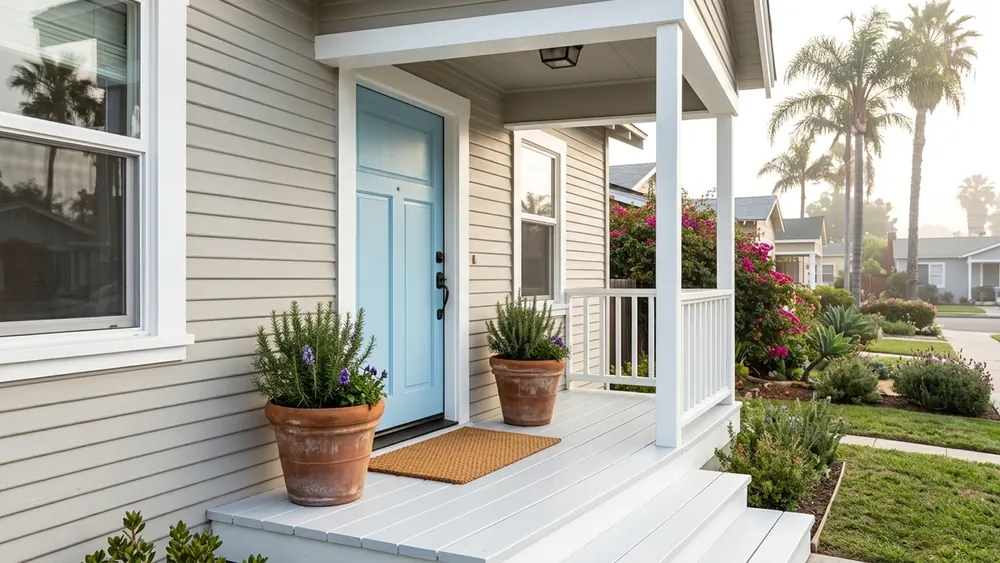
A pre-listing review should cover the home’s condition, its presentation and the questions buyers are likely to ask, plus the records that answer them, so you can address issues before the home goes on the market.
On this page
- What a useful pre-listing review looks at
- Why the review comes before pricing and photos
- Condition and the questions it raises
- Presentation and first impressions
- Paperwork that answers buyer questions
- A pre-listing review checklist table
- When the home has been a rental
- Getting ready for a Seller Audit conversation
What a useful pre-listing review looks at
A pre-listing review should cover three things: the home’s condition, how it presents, and the questions buyers are likely to ask once they see it. It should also check that you have the records to answer those questions. The point is to find issues while you still have time and choices, rather than discovering them in the middle of a negotiation, when every answer feels rushed.
This matters because buyers tend to notice the same things, and they notice them at the worst possible moment if you have not looked first. An unexplained stain, a missing permit or a door that sticks can turn into a long list of questions. Owners across the South Bay who look at the home through a buyer’s eyes beforehand usually have fewer surprises to manage once buyers start asking.
This article breaks the review into its parts, explains who answers which questions, offers a table you can use as a checklist, and covers how the review changes for a home that has been a rental. It gives no costs, figures or timelines, because those depend on the home and the professionals involved. Condition is specific to each property, so anything about the home’s systems is confirmed with a licensed home inspector.
Why the review comes before pricing and photos
Order matters. If you set a price before you know what condition the home is in, the price may assume a home that buyers will not find. If you take photos before you deal with presentation, the photos lock in problems you could have fixed in an afternoon. A review at the start gives you a plain list of what is there, so later decisions rest on what the home actually is.
It also gives you options. Once you know about an issue, you can repair it, price with it in mind, or disclose it clearly and leave it for a buyer. Each of those is a reasonable choice depending on your plans and budget. What you lose by skipping the review is the choice itself, because an issue a buyer’s inspector finds first tends to be discussed on the buyer’s terms rather than yours.
I would rather we find the sticking door and the missing paperwork now than hear about them from a buyer. Look at the home the way a buyer will, before you list.
Condition and the questions it raises
Condition covers the physical state of the home: the roof, plumbing, electrical work, heating and cooling, windows, doors, floors and visible wear. A walk-through can flag what a buyer is likely to notice, but it is not an inspection. For anything that touches the home’s systems or structure, a licensed home inspector is the right person to confirm what is there, and a licensed contractor can scope any repair you decide to make.
Some sellers choose a pre-listing inspection so the findings are known before buyers arrive. Whether that makes sense for you is worth raising early, because what an inspection finds may also affect what you need to disclose. If you are unsure how a finding should be handled on the California disclosure forms, ask a real estate attorney rather than relying on general advice. Disclosure is not something to guess at.
Keep a written list of what you learn, even about small items. Note what you plan to repair, what you plan to leave, and what you plan to explain. That list becomes the backbone of later decisions about price and preparation. It also helps you answer buyers consistently, because the same facts appear in your notes, your disclosures and your conversations, instead of shifting from one day to the next.
Presentation and first impressions
Presentation is how the home comes across to someone seeing it for the first time, in photos and in person. It covers cleanliness, clutter, lighting, smells, small repairs and how easily a buyer can picture using each room. Many of these items cost little but take time, so a review that names them early lets you spread the work out instead of rushing it in the days before photos.
A good review separates what matters from what does not. Not every dated finish needs replacing, and large projects started just before a sale can run long or cost more than expected. Ask which items a buyer would notice first and which you can safely skip. Then decide what fits your budget and timing. Presentation is about removing distractions, not about turning the home into something it is not.
Paperwork that answers buyer questions
Likely buyer questions are often answered by paper rather than by repairs. If a buyer asks when the roof was replaced or whether an addition had permits, the answer is only as good as your records. Gather what you can before you list, so you can check memory against documents. Where something is missing, you still have time to ask the city or the original contractor for a copy.
- Receipts and records for repairs, upgrades and replaced building systems
- Permits and final sign-offs for past work, or a note that you are unsure
- Any past inspection reports or professional assessments you already have
- Warranty paperwork and service records for appliances and major systems
Your city’s official sources are the place to ask about permit records, whether that is the City of Redondo Beach or the official sources for Torrance, Hermosa Beach or Manhattan Beach. What needs a permit can vary, so do not assume past work was covered. Bring any gaps you find to the review, because an honest note that you are unsure is far more useful than a confident guess that later turns out to be wrong.
A pre-listing review checklist table
Use the table below as a working checklist. Each row is a part of the review, with the question to ask and the person or source who can confirm the answer. It is not a substitute for an inspection or for legal advice. It is a way to make sure nothing obvious is missed before the home goes on the market, and to know whom to ask about each item.
| Review area | Question to ask | Who confirms it |
|---|---|---|
| Systems and structure | What would a buyer’s inspector likely flag? | A licensed home inspector |
| Repairs | Which items are worth fixing before listing? | A licensed contractor, then your budget |
| Presentation | What would a buyer notice first? | Gina, during a walk-through |
| Records and permits | Do the documents match what you remember? | Your city’s official sources |
| Disclosures | How should known issues be described? | A real estate attorney |
Fill in each row with what you learn and the date you learned it. If the answer depends on a rule, a fee or a timeline, get it in writing from the responsible office or professional rather than relying on memory. When the table is complete, you will have a plain record of the home’s condition, presentation and paperwork, which makes later decisions about price, preparation and selling route easier to reason through.
When the home has been a rental
A South Bay home that has been leased raises extra questions. Wear may look different from an owner-occupied home, and records may be split between you and a property manager. If a tenant still lives there, ask how showings, access and timing work, and confirm your obligations with official state sources, the city where the home sits or an attorney before you make plans. Tenant rules change, so do not rely on what applied the last time you checked.
Gather the lease, move-in and move-out condition records, repair requests and any correspondence about the home’s condition. These help explain wear and repairs to buyers and help you answer questions consistently. If you are still deciding whether to sell or keep leasing, that choice deserves its own conversation, and your tax professional should weigh in on the tax side of either path before you commit.
Getting ready for a Seller Audit conversation
Before a review, write down why you are selling, when you would like to be moved out, and what you already know about the home’s condition. List the repairs you have done and the ones you have put off. Gather your records in one place. Note any questions you have for an inspector, an attorney or a tax professional, so they are ready when you speak to each one.
If you would like a pre-listing review of your Redondo Beach or South Bay home, Gina offers a Seller Audit that looks at condition, presentation and likely buyer questions before the home goes on the market. Bring your notes and your records. There is no need to have decided on price or a selling route first. The aim is fewer surprises once buyers start asking, and a clearer picture of your next step.
This article is general information about leasing, selling and buying homes in Redondo Beach and the South Bay, California. It is not legal, tax, lending, valuation or inspection advice and does not predict prices or rents or promise results. Confirm rental and disclosure rules with official California sources or an attorney, auction terms in the written agreement, compliance with an attorney, tax with a tax professional, condition with a licensed home inspector, and zoning with the city. Gina Magee, Harcourts Hunter Mason Realty.

Written by